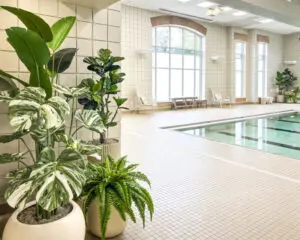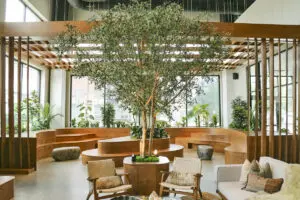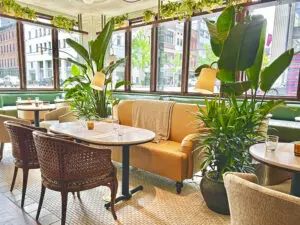

For years, workplace wellness was often viewed as a secondary benefit: something appreciated by employees, but difficult to define in business terms. Following the COVID-19 pandemic, we have seen a big shift in mindset around the importance of office design and the role it plays in bringing people back into the office. As companies continue to rethink the workplace, conversations around employee experience, retention, and overall well-being have become directly related to the physical environment itself. Businesses are no longer asking whether workplace design matters, because we know it does at this point. They’re asking how to measure its impact.
The Workplace Has Changed
Over the past several years, employers have had to compete more for attention, engagement, and in-office participation. The workplace is no longer just a place to work, it’s part of the overall employee experience. As a result, organizations are investing more intentionally in environments that feel welcoming, energizing, and supportive. Natural light, hospitality-driven amenities, flexible spaces, and biophilic design have all become larger parts of modern workplace strategy.
At the center of many of these efforts is a simple idea: people perform better in spaces that feel good to be in.
Why Businesses Are Looking for Data
While the emotional impact of a thoughtfully designed space is easy to recognize, decision-makers are increasingly looking for ways to quantify those benefits. This brings us to questions such as:
- How does workplace design influence productivity?
- Can employee wellness affect retention?
- Do healthier environments improve satisfaction and engagement?
The answers are pushing wellness conversations beyond aesthetics and into measurable business outcomes. For architects, designers, and workplace leaders, this can create a challenge. The value of biophilic elements (especially interior plants) is often understood intuitively, but is harder to communicate during budgeting and planning conversations where measurable return is expected.
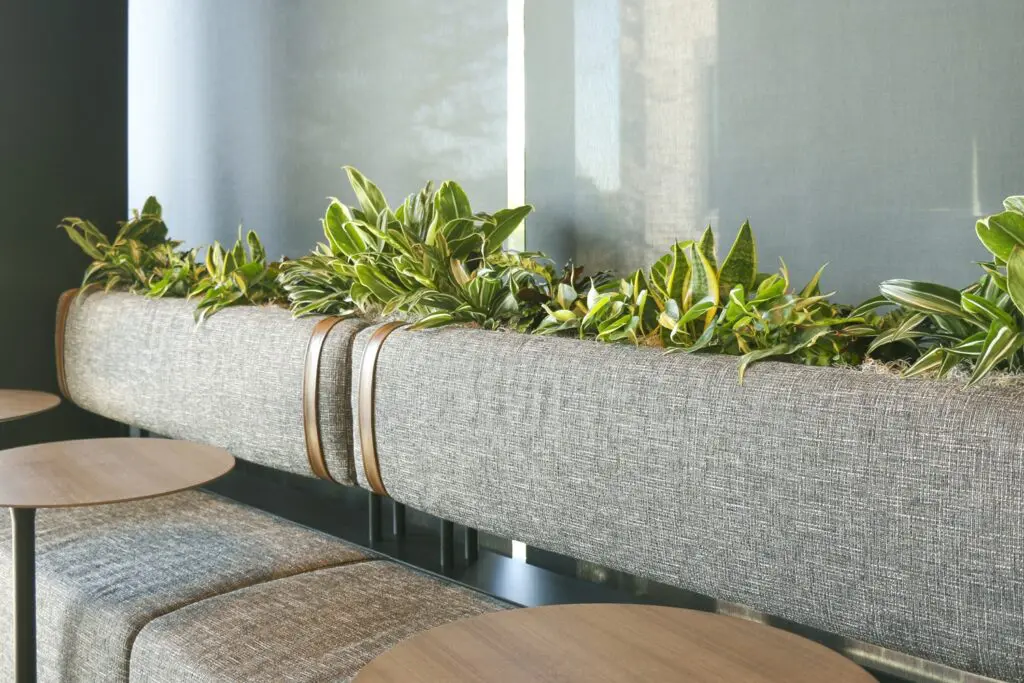
The Growing Role of Biophilic Design
Biophilic design focuses on strengthening the connection between people and nature within built environments. While that can include many different elements, interior plants remain one of the most impactful ways to introduce nature into commercial spaces. Plants soften hard architectural lines, improve the atmosphere, and help spaces feel more alive and balanced. In offices, hospitality environments, healthcare spaces, and shared amenities, they contribute to an experience that feels more human. Businesses are also recognizing that those environmental improvements will support broader workplace goals, and make the humans feel more human, as well.
Turning Workplace Experience Into a Business Conversation
As expectations around workplace wellness continue to evolve, many organizations are looking for better ways to connect design investments with measurable outcomes. To aid in this, our team developed an Interior Plant ROI Calculator that can be customized to your specific environment. The calculator is designed to help commercial project teams explore the potential business impacts of incorporating plants into interior environments.
Rather than viewing plants as a decorative element, the output from that calculator helps frame biophilic design within larger conversations around long-term value. Not every benefit can be perfectly captured in a spreadsheet, but you don’t need a spreadsheet to know that environments that people spend time in matter. Businesses are just beginning to measure these impacts more intentionally.
A More Human-Centered Future
The future of workplace design is becoming increasingly people-focused. Employees want environments that support well-being and connection, while businesses are looking for thoughtful investments that improve how spaces function. Bringing nature indoors sits at the intersection of both goals. As wellness, experience, and performance become more connected, workplace design is no longer just about appearance. It’s about creating spaces that actively support the people inside of them.