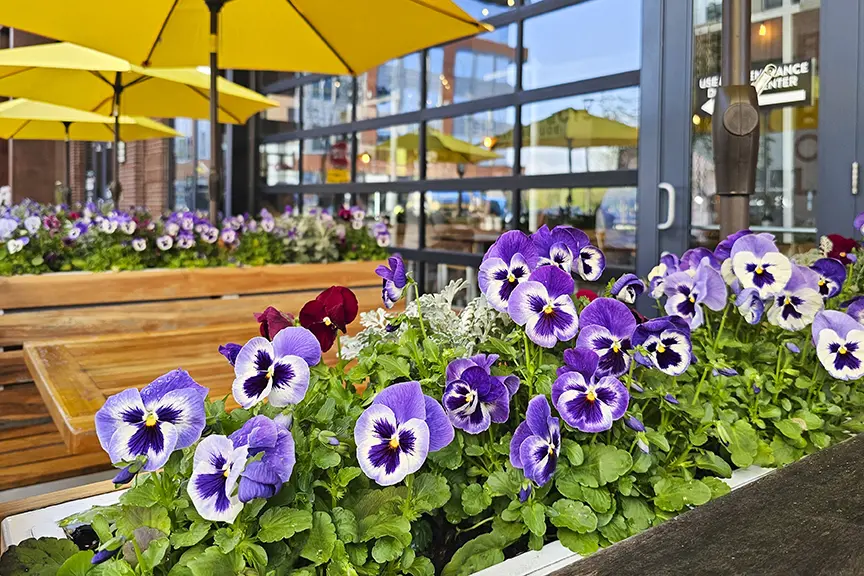
Spring is the perfect time to freshen up commercial entrances with new exterior planters. A few containers filled with seasonal color can seem like an easy upgrade, as it adds instant curb appeal. However, exterior containers in commercial spaces operate very differently than garden beds or plantings that you can create at your house. Exposure, plant quality, container selection, and maintenance all play a larger role than most people expect. What looks simple on installation day can quickly become challenging as weather, sun, and daily wear begin to take their toll.
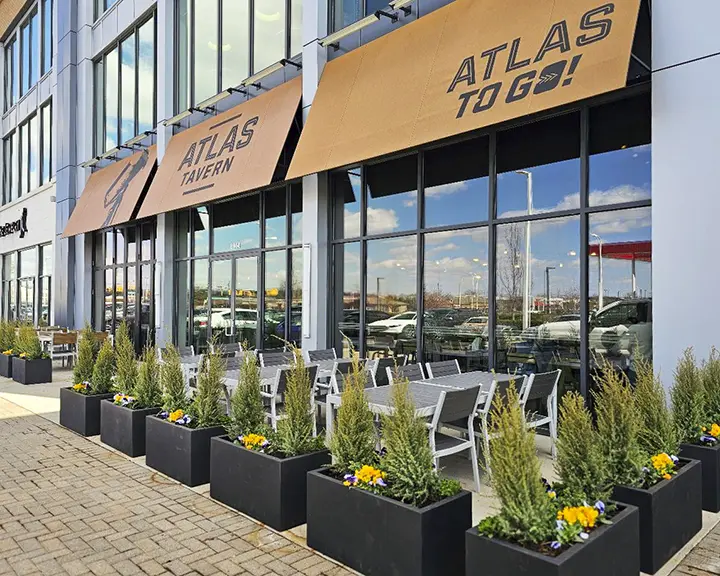
Exterior Containers Are a Challenging Growing Environment
Unlike landscape beds, containers create an artificial growing environment with very little margin for error. Plants rely entirely on the conditions provided within a confined space, which makes external factors much more impactful.
Commercial buildings introduce additional challenges, including:
Heat reflected from glass, pavement, and building façades
Wind tunnels created by architecture and open rooftops
Inconsistent sun exposure across entrances and elevations
Limited soil volume that dries out quickly in the warmer months
Heavy foot traffic and visibility requirements
In climates like Columbus where temperatures can fluctuate dramatically, plants may experience warm daytime conditions followed by sudden cold snaps. Temperatures in urban, downtown areas can rise 1–7°F higher than temperatures in outlying areas, called “heat islands” because the temperatures rise due to the density of buildings with limited greenery to offset. These rapid changes can stress or damage plantings that were poorly selected or installed too early in the springtime.
The Most Common Reasons DIY Planters Fail
While every property is different, there are several issues that typically appear when exterior containers are planted without specialized planning.
1. Incorrect Container Selection
Not all planters are designed for commercial outdoor use. Containers without proper drainage, insulation, or structural durability can lead to water buildup, root rot, or cracking during seasonal temperature shifts. Scale also matters! Undersized containers will dry out quickly and struggle to support healthy plant growth and root development.
2. Plant Selection That Doesn’t Work for the Environment
Plants that look beautiful in a standard garden center aren’t guaranteed to perform well in any given space. Successful exterior plantings require varieties chosen specifically for their final location: sun exposure, wind tolerance, temperature swings, and maintenance expectations. Furthermore, a generic plant from your local big box store typically will not perform as well as a plant that has been grown locally and is already adapted to the local environment.
3. Underestimating Maintenance Needs
Exterior containers are like miniature landscape gardens. They require consistent watering, pruning, fertilization, and pest management, with ongoing seasonal adjustments to remain full and healthy. Without a maintenance plan, plantings often decline midway through the season — often when outdoor spaces see the most use!
4. Seasonal Timing Missteps
Spring planting often happens too early. Most people want to plant as soon as the spring plants appear at the local garden center, which isn’t always the case. A single late frost can undo weeks of growth, resulting in replacement costs and uneven displays. Professional planning accounts for regional weather patterns and phased seasonal transitions to protect plant investments.
5. Unexpected Damage and Public Interaction
Exterior containers in public spaces must withstand more than just weather alone. In high-traffic urban areas, planters often collect trash, become informal seating, or even disappear due to theft or damage. Routine maintenance helps address these issues quickly, keeping entrances clean and presentable.
How Experts Approach Differently
Professional exterior plant programs begin long before plants arrive on site. Experts evaluate how a building functions throughout the day and across seasons, considering factors such as sunlight patterns, pedestrian flow, and architectural scale.
Rather than treating containers as temporary décor, a specialist approach focuses on long-term performance:
Strategic container and soil selection
Proper drainage and installation methods
Plants chosen for heartiness and seasonal transitions
Cohesive design created for a variety’s growth and full volume
Scheduled maintenance that keeps displays consistent and healthy
This proactive planning reduces plant loss, improves visual consistency, and allows exterior spaces to evolve smoothly throughout the year.
The Business Value of Doing It Right
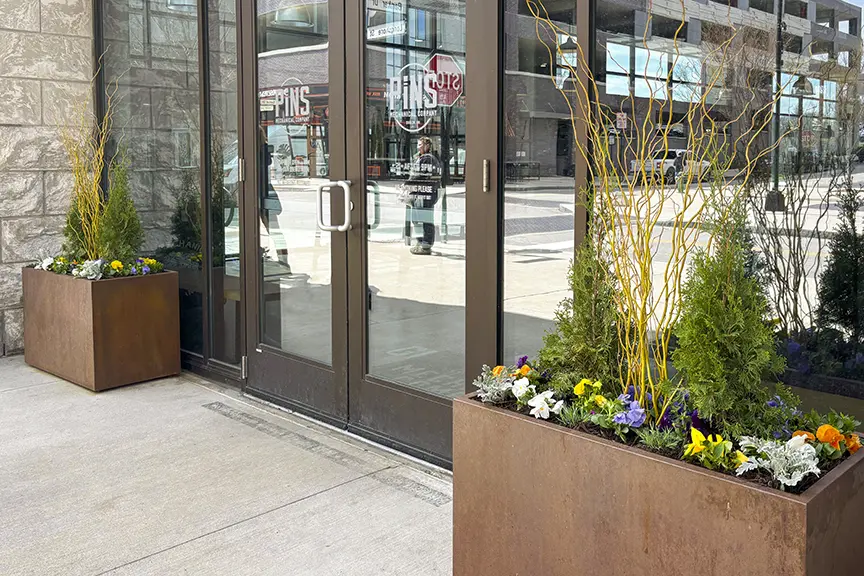
For commercial properties, exterior containers do more than just add color, they contribute to the overall experience of a space. Healthy, well-maintained plantings communicate professionalism and care, supporting tenant satisfaction, employee morale, and positive visitor impressions. When containers struggle or fail, the opposite effect occurs. Declining plants, bare soil, or inconsistent maintenance can signal neglect, even if the interior environment is beautiful.
Investing in a professionally managed exterior program helps businesses avoid reactive replacements and instead achieve reliable, season-long performance. The result is a consistent exterior presence that enhances curb appeal without adding workload for internal teams.
A Better First Impression, Season After Season
Exterior planters may seem simple, but successful installations require expertise in horticulture, design, and ongoing care. When thoughtfully planned and professionally maintained, containers become a natural extension of a building’s identity, welcoming visitors and reinforcing brand quality from the moment they arrive.
With the right strategy in place, exterior plantings shift from a seasonal challenge to a dependable asset that performs beautifully all year long! Contact our team today to inquire about what a custom planting and maintenance plan would look like for your space.